Buttery Croissant Recipes At Home
Highlighted under: Everyday Desserts
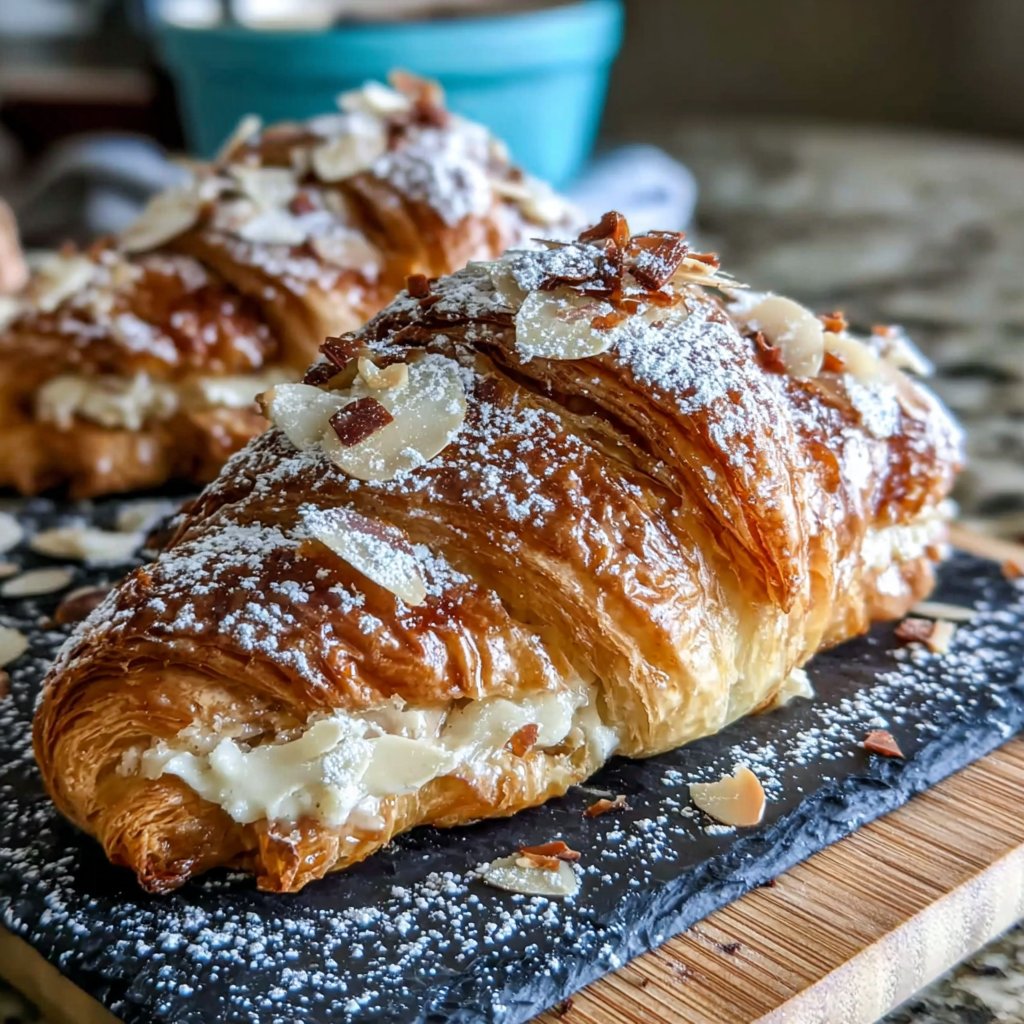
I absolutely love making buttery croissants at home! The smell of freshly baked bread wafting through my kitchen is just heavenly. I’ve experimented with various techniques, and I’ve found that the secret lies in the quality of butter and the lamination process. Each layer adds to the perfect flaky texture and rich flavor that we all crave. It might seem daunting, but with patience, anyone can achieve that bakery-style croissant right in their own kitchen.
In my quest to replicate the buttery goodness of croissants found in France, I discovered the importance of resting the dough. Allowing it to chill not only makes the dough easier to work with, but it also helps to create those signature layers.
After several attempts, I realized that using high-fat butter was a game-changer. It made all the difference in both flavor and texture. If you can find European-style butter, definitely go for it!

Why You'll Love This Recipe
- Delectably flaky layers that melt in your mouth
- Rich and buttery flavor that's irresistible
- Perfect for breakfast or as an elegant snack
Understanding Lamination
The lamination process is crucial for achieving the quintessential flaky texture in your croissants. This involves enveloping a chilled butter block within the dough and repeatedly rolling and folding to create multiple layers. Each fold multiplies the layers, so don’t rush! Aim for at least three sets of folds. After each roll, chill the dough for 20-30 minutes if it begins to soften. This keeps the butter firm and prevents it from melting into the dough.
The butter you choose will greatly impact your croissants' flavor and texture. Opt for high-quality unsalted butter for the best results. The butter should be cold and pliable but not too soft; this is why rolling between parchment helps. If you're short on time, you can use store-bought puff pastry as a shortcut, but nothing compares to the taste of homemade in the end.
Perfecting the Egg Wash
An egg wash not only enhances the visual appeal of your croissants but also contributes to that sought-after golden-brown color. Whisk one egg with a tablespoon of milk until combined, and brush this mixture gently over each croissant before baking. Be careful not to saturate the croissants, as too much wash can inhibit the crispness once baked. A light, even coat will give them a beautiful sheen.
If you're looking for a vegan alternative for the egg wash, a mixture of almond milk and maple syrup works surprisingly well. It may not achieve the same shine, but it will still allow for a delightful color and flavor. Just remember to bake them evenly spaced on your baking sheet to allow for proper heat circulation, which is essential for that even browning effect.
Storage and Reheating Tips
If you have leftover croissants or wish to prepare them in advance, they can be stored in an airtight container at room temperature for up to two days. For extended freshness, consider freezing them. Wrap each croissant tightly in plastic wrap and place them in a freezer-safe bag; they can be frozen for up to three months. This way, you can enjoy homemade croissants even after a busy baking day.
When it’s time to enjoy your frozen croissants, simply remove them from the freezer and let them thaw at room temperature for about 30 minutes. Preheat your oven to 375°F (190°C) and warm them for 10-15 minutes to refresh their flakiness. You’ll be amazed at how close to fresh they taste, bringing that warm, buttery aroma back into your kitchen!
Ingredients
Gather all the ingredients to ensure a smooth process when making these croissants.
For the Dough
- 4 cups all-purpose flour
- 1/4 cup granulated sugar
- 1 tablespoon salt
- 1 tablespoon instant yeast
- 1 cup whole milk, warmed
- 1/2 cup unsalted butter, melted
- 1/2 cup cold water
For Laminating
- 1 1/2 cups unsalted butter, chilled
- 1/4 cup flour (for dusting)
For Egg Wash
- 1 egg
- 1 tablespoon milk
Make sure not to skip any of the steps in the preparation for the best results!
Instructions
Follow these steps carefully to achieve the best croissants.
Prepare the Dough
In a mixing bowl, combine flour, sugar, salt, and yeast. Add warm milk and melted butter, then mix to form a dough. Knead for about 10 minutes until smooth and elastic.
Chill the Dough
Shape the dough into a ball and place it in a greased bowl. Cover with plastic wrap and refrigerate for 1 hour.
Prepare the Butter Block
Roll chilled butter between two sheets of parchment paper into a 1/2-inch thick rectangle. Return to the fridge to keep it firm.
Laminate the Dough
Roll the dough into a rectangle. Place the butter block in the center and fold in the sides. Roll out again to a larger rectangle and fold into thirds. Repeat this process twice more.
Shape Croissants
Roll the final dough into a large rectangle and cut into triangles. Roll each triangle from the base to the tip, forming croissants.
Proof and Bake
Let the croissants rise for about 1 hour. Preheat the oven to 400°F (200°C). Brush with egg wash and bake for 15-20 minutes until golden.
Enjoy your delicious homemade buttery croissants fresh from the oven!
Pro Tips
- For even flakier croissants, ensure your butter remains as cold as possible during the lamination process.
Tips for Troubleshooting
If your croissants don’t rise as expected during proofing, it might be due to insufficient warmth. Try placing them in a warm, draft-free area, such as an oven with just the light on. Alternatively, if they puff up too much, ensure your dough is correctly rolled out; it should be even and not overly thick, about 1/4 inch at most after rolling.
Sometimes, you may notice your croissants spreading during baking. This could happen if the butter melts too quickly. Make sure to chill your dough adequately between folds and also give them a good, long chill before they go in the oven. Ideally, allow them to proof in a cooler environment to help them maintain their shape.
Serving Suggestions
Croissants are incredibly versatile and can be enjoyed in various ways. Serve them warm with a spread of good quality jam or almond butter for a delightful breakfast. Alternatively, you can transform them into sandwiches by filling them with smoked salmon and cream cheese or turkey and avocado. The possibilities are endless, allowing you to keep these treats interesting across multiple meals.
For a truly decadent experience, try pairing your croissants with fresh fruit and whipped cream for brunch. A side of freshly brewed coffee or tea enhances the aroma and flavor profile of the buttery layers. You might also consider drizzling them with a little honey or chocolate sauce for a special treat that’s bound to impress.
Questions About Recipes
→ Can I use bread flour instead of all-purpose flour?
Yes, bread flour will give you a chewier texture, but all-purpose flour works well for flaky croissants.
→ How long do these croissants stay fresh?
They are best enjoyed fresh, but you can store them in an airtight container for up to 3 days.
→ Can I freeze the dough before baking?
Absolutely! You can freeze the shaped croissants and bake them directly from the freezer, adding extra baking time.
→ What's the best way to reheat leftover croissants?
Reheat in a preheated oven at 350°F (175°C) for about 5 minutes for that fresh-baked taste.
Buttery Croissant Recipes At Home
Created by: Holly James
Recipe Type: Everyday Desserts
Skill Level: Intermediate
Final Quantity: 12 croissants
What You'll Need
For the Dough
- 4 cups all-purpose flour
- 1/4 cup granulated sugar
- 1 tablespoon salt
- 1 tablespoon instant yeast
- 1 cup whole milk, warmed
- 1/2 cup unsalted butter, melted
- 1/2 cup cold water
For Laminating
- 1 1/2 cups unsalted butter, chilled
- 1/4 cup flour (for dusting)
For Egg Wash
- 1 egg
- 1 tablespoon milk
How-To Steps
In a mixing bowl, combine flour, sugar, salt, and yeast. Add warm milk and melted butter, then mix to form a dough. Knead for about 10 minutes until smooth and elastic.
Shape the dough into a ball and place it in a greased bowl. Cover with plastic wrap and refrigerate for 1 hour.
Roll chilled butter between two sheets of parchment paper into a 1/2-inch thick rectangle. Return to the fridge to keep it firm.
Roll the dough into a rectangle. Place the butter block in the center and fold in the sides. Roll out again to a larger rectangle and fold into thirds. Repeat this process twice more.
Roll the final dough into a large rectangle and cut into triangles. Roll each triangle from the base to the tip, forming croissants.
Let the croissants rise for about 1 hour. Preheat the oven to 400°F (200°C). Brush with egg wash and bake for 15-20 minutes until golden.
Extra Tips
- For even flakier croissants, ensure your butter remains as cold as possible during the lamination process.
Nutritional Breakdown (Per Serving)
- Calories: 250 kcal
- Total Fat: 16g
- Saturated Fat: 10g
- Cholesterol: 40mg
- Sodium: 150mg
- Total Carbohydrates: 25g
- Dietary Fiber: 1g
- Sugars: 5g
- Protein: 5g